
The Remarkable Benefits of Red Light Therapy for Weight Loss and Fat Reduction
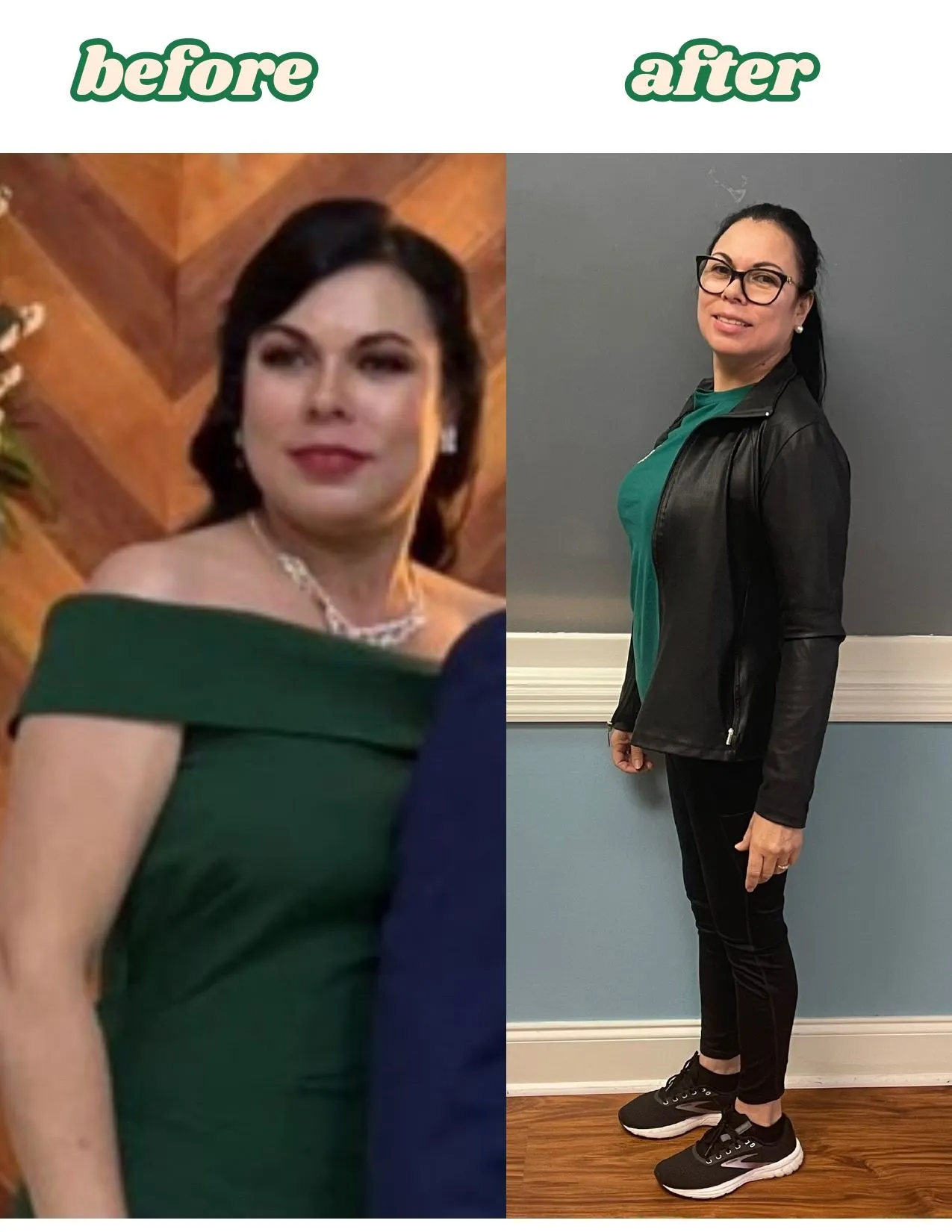
Losing weight and fat is one of the most common health goals, both for medical and cosmetic reasons. Few of us would turn down losing a few pounds or cutting back on some fat here or there. This article gives an overview of clinical research showing how natural red-light therapy can help people lose weight, tone their body, cut back on fat & cellulite, and control obesity.
How Does Light Therapy Work to Reduce Fat?
If you’re not familiar with red light therapy, this article and how it works. A device gives a good overview of what it is delivers safe, concentrated wavelengths of therapeutic natural light to your skin and cells, where it reduces oxidative stress and stimulates cellular energy production (adenosine triphosphate or ATP). Not only does that help your body power itself more effectively, but researchers believe red light therapy affects adipocytes, which are cells that store fat, causing the lipids to disperse. In other words, light therapy helps the body wash away fat cells. [1] Light therapy may work in other ways that affect fat and weight loss as well. A 2012 study in the International Journal of Endocrinology showed that light can affect hunger levels, which could help prevent the buildup of extra fat before it even begins. This study found that red light helped control levels of the hunger-related hormones leptin and ghrelin in sleep-deprived participants. [2]
Clinical Research Shows Red Light Therapy Reduces Fat and Helps with Weight Management
Red light therapy’s positive effects on fat and cellulite loss, obesity control, and cosmetic body enhancement have been seen in numerous clinical trials in recent years. And unlike many solutions promoted for weight-loss, such as medications and surgery, red and near infrared light therapy is a safe, natural, and noninvasive option to becoming healthier and more fit. This is a brief overview of significant clinical research.
Less Cellulite: In a 2011 study on red light therapy and cellulite reduction, women ages 25-55 were divided into two groups: some did treadmill exercise + red light therapy twice a week, while the other group just did treadmill exercise. The researchers presented thermographic photographs of the changes in thigh circumference and cellulite to demonstrate that red light therapy and exercise was more effective than just exercise alone. The study concluded that treadmill exercise and red-light therapy in conjunction can improve body aesthetics. [3].
Cosmetic Body Contouring: Many people trying to lose weight just want to look better in the mirror, or at the beach. A wide variety of therapies to target fat and improve appearance are called “body contouring” or “body sculpting”, some surgical, others noninvasive. But many of them don’t work, and/or produce troublesome side effects. Red light therapy is completely natural & noninvasive and has proven to be an effective option for changing the way your body looks.
Smaller Waistline, Less Girth: A study in the Journal of Obesity Surgery researched red light therapy for body contouring. This 2011 double-blind, randomized study performed light therapy at 635-680 nanometers (nm) on participants for four weeks and recorded effects on the size of their waistline. At the end of the study, participants had achieved a statistically significant reduction in waistline girth. [4].
Targeted Fat Loss: In a similar study published in Lasers in Surgery Medicine, participants who received light therapy showed a significant reduction in overall circumference, including numerous parts of the body. Researchers concluded that light therapy can reduce the circumference of the specific areas of the body that are treated with natural light. [5]
Tighter Hips & Thighs: A 2013 study in the same journal also found benefits from red light therapy at 635 nm for contouring the hips, thighs, and waist. At the end of the trial, researchers found a mean loss of 2.99 inches in overall body size compared to the starting point. Separately, the thigh, waist, and hip areas all showed a reduction too. Researchers concluded that red light therapy at this wavelength was safe and clinically effective (Figure A). [6]
Figure A: Comparison of inches lost between Test Group and Placebo Group.
Less Body Fat: A 2018 triple-blind, placebo-controlled trial assessed red light therapy’s effects on people doing endurance training. Researchers found pre-exercise treatment can “decrease the body fat in healthy volunteers when compared to placebo.” [7]
Weight and Obesity Control: A study conducted by Brazilian researchers in 2015 assessed the effects of light therapy and exercise on 64 obese women, ages 20 to 40. One group exercised and received red light therapy treatments, while the control group just exercised. They concluded that red light therapy and exercise together were more effective than just exercise in reducing fat mass. Researchers also observed an increase in skeletal muscle mass. They wrote: “Our results demonstrated for the first time that light therapy enhances the physical exercise effects in obese women undergoing weight loss treatment promoting significant changes in inflexibility metabolic profile.” [8]
A recent study published in 2018 also evaluated obese young women and found similar results. Some followed an exercise regimen + red light therapy, while the control group just did the exercise. The women who did exercise and red light therapy saw more significant changes in fat mass and insulin variables. Researchers concluded: “It was demonstrated that exercise training associated with light therapy promotes an improvement in body composition and inflammatory processes. The light therapy group especially presented positive modifications of WNT5 signaling, FGF-21, and ANP, possible biomarkers associated with browning adiposity processes. This suggests light therapy is applicable in clinical practice to control obesity.” [9]
A placebo-controlled clinical trial in 2015 noted similar improvements with obese women who exercised and were treated with red light therapy. Researchers also concluded red light therapy could control cardiometabolic risk factors in obese populations. [10]
Conclusion: Consider Red Light Therapy for Fat Loss and Weight Management
A major benefit of red and near infrared light therapy is the convenience of doing the treatments in your own home, with short treatment times—instead of having to go to a spa or medical clinic for expensive contouring and fat loss procedures that can lead to unwanted side effects.
In summary, clinical research and the accounts of many natural health experts shows that red light therapy can be an effective, safe, and natural treatment for weight loss and fat reduction, as well as an efficacious method of body contouring and cosmetic improvement.
Scientific Sources and Medical References:
{1] Peterson P.S., Lei X, Wolf RM. CTRP7 deletion attenuates obesity-linked glucose intolerance, adipose tissue inflammation, and hepatic stress. American Journal of Physiology. Feb 2017;10:1152.
[2] Figueiro MG, Plitnick B, and Rea MS. Light Modulates Leptin and Ghrelin in Sleep Restricted Adults. International Journal of Endocrinology. 2012.
[3] Paolillo FR, Borghi-Silva A, et al. New treatment of cellulite with infrared-LED illumination applied during high-intensity treadmill training. J Cosmet Laser Ther. 2011 Aug;13(4):166-71.
[4] Caruso-Davis MK, Guillot TS, Podichetty VK, Mashtalir N, Dhurandhar NV, Dubuisson O, Yu Y. Efficacy of low-level laser therapy for body contouring and spot fat reduction. Obes Surg. 2011. Jun;21(6):722-9.
[5] Jackson RF, Dedo DD, Roche GC, et al. Low-level laser therapy as a non-invasive approach for body contouring: a randomized, controlled study. Lasers in Surgery and Medicine. Dec 2009;41(10):99-809.
[6] McRae E and Boris J. Independent evaluation of low-level laser therapy at 635 nm for non-invasive body contouring of the waist, hips, and thighs. Lasers in Surgery and Medicine. Jan 2013;45(1):1-7.
[7] Miranda EF, Tomazoni SS, et al. When is the best moment to apply photobiomodulation therapy (PBMT) when associated to a treadmill endurance-training program? A randomized, triple-blinded, placebo-controlled clinical trial. Lasers in Med Science. 2018 May;33(4):719
727.
[8] Sene-Fiorese M, Duarte FO, et al. The potential of phototherapy to reduce body fat, insulin resistance and "metabolic inflexibility" related to obesity in women undergoing weight loss treatment. Lasers Surg Med. 2015 Oct;47(8):634-42.
[9] da Silveira Campos RM, Dâmaso AR, et al. The effects of exercise training associated with low-level laser therapy on biomarkers of adipose tissue transdifferentiation in obese women. Lasers in Medical Science. 2018 Aug;33(6):1245-1254.
[10] Duarte FO, et al. Can low-level laser therapy (LLLT) associated with an aerobic plus resistance training change the cardiometabolic risk in obese women? A placebo-controlled clinical trial. J Photochem Photobiol B. 2015 Dec;153:103-



The Impact of Obesity on Your Body and Health
Obesity is when your body has too much fat. Obesity can cause a lot of damage to your body. People with severe obesity are more likely to have other diseases. These include type 2 diabetes, high blood pressure, sleep apnea, and many more. Combined with obesity, these diseases may lead people to have a lower quality of health. In some cases, these can lead to disability or early death.
Diabetes
Obesity is a major cause of type 2 diabetes. People affected by obesity or severe obesity are about 10 times more likely to have type 2 diabetes (1). Type 2 diabetes can nearly double the risk of death (2). Type 2 diabetes can lead to:
- Amputations
- Heart disease
- Stroke
- Blindness
- Kidney disease
- High blood pressure
- Circulatory and nerve defects
- Hard-to-heal infections
- Impotence
- And more
Hypertension
Obesity is a major risk factor for high blood pressure(also known as “hypertension")(3).About 3 out of 4 hypertension cases are related to obesity(4). Hypertension increases the risk of other diseases. These include coronary heart disease (CHD), congestive heart failure (CHF), stroke, and kidney disease.
Heart Disease
Heart disease kills about 600,000 people every year in the United States. The American Heart Association considers obesity a major risk factor for heart disease. Large studies show that the risk for heart disease increases with obesity(5). People with severe obesity are at a higher risk for coronary artery disease. This means they have a higher risk of a heart attack.
Obesity increases your risk of heart failure. Severe obesity is associated with irregular heartbeats (arrhythmias). These arrhythmias can triple the risk of cardiac arrest. However, some excess weight can protect against dying from heart failure after the diagnosis is made(6).
Respiratory Disorders
People with obesity have reduced lung capacity. These people are at higher risk for respiratory infections. They are more likely to have asthma and other respiratory disorders. Asthma has been shown to be three to four times more common among people with obesity(8).
More than half of those affected by obesity (around 50-60 percent) have obstructive sleep apnea (OSA) In cases of severe obesity, this figure is around 90 percent7). OSA is a very serious breathing disorder. OSA occurs when excess fat in the neck, throat, and tongue block air passageways during sleep. This blockage causes apnea, which means a person stops breathing for a time. A person with OSA may have hundreds of apnea episodes each night. Apnea episodes reduce the amount of oxygen in a person’s blood.
OSA may lead to high blood pressure, pulmonary hypertension, and heart failure. OSA can cause sudden cardiac death and stroke. Because apnea episodes interrupt the normal sleep cycle, you may not reach restful sleep. This can lead to fatigue and drowsiness. If untreated, this drowsiness may raise your risk of motor vehicle accidents.
Cancer
Cancer affects more than half a million lives per year in the United States alone. Obesity is believed to cause up to 90,000 cancer deaths per year. As body mass index (BMI) increases, so does your risk of cancer and death from cancer. These cancers include:
- Endometrial cancer
- Cervical cancer
- Ovarian cancer
- Postmenopausal breast cancer
- Colorectal cancer
- Esophageal cancer
- Pancreatic cancer
- Gallbladder cancer
- Liver cancer
- Kidney cancer
- Thyroid cancer
- Prostate cancer
- Non-Hodgkin’s lymphoma
- Multiple myeloma
- Leukemia
For people with severe obesity, the death rate increases for all types of cancer. The death rate is 52 percent higher for men and 62 percent higher for women(9).
Cerebrovascular Disease and Stroke
Obesity puts a strain on your whole circulatory system. This strain increases your risk for stroke. Obesity can lead to other stroke risk factors. Stroke risk factors include heart disease, metabolic syndrome, hypertension, lipid abnormalities, type 2 diabetes and obstructive sleep apnea(10).
Gastroesophageal Reflux Disease (GERD)
Gastroesophageal Reflux Disease (GERD) causes stomach acid or intestinal secretions to leak into your esophagus. Common GERD symptoms include heartburn, “indigestion”, throwing up food, coughing (especially at night), hoarseness, and belching. Between 10 percent and 20 percent of the general population experience GERD symptoms regularly.
Obesity has been associated with higher risk of GERD, erosive esophagitis and rarely, esophageal cancer (adenocarcinoma)(11).
Bone/Joint Damage and Accidents
Obesity, in particular severe obesity, contributes to a number of bone and joint issues. These issues can increase the risk for accidents and personal injury. Bone and joint issues can include:
- Joint diseases (osteoarthritis, gout)
- Disc herniation
- Spinal disorders
- Back pain
- Pseudotumor cerebri, a condition associated with disorientation, headache, and visual impairment.
Other Conditions
- Alzheimer’s Disease: Studies find that obesity during middle-age may contribute to conditions that increase the risk for dementia and Alzheimer’s disease later in life(12).
- Kidney Disease: Hypertension, Type 2 diabetes and congestive heart failure are major contributors to kidney disease and kidney failure. All of these conditions are caused or made worse by obesity.
- Suicide: Studies have shown a correlation between severe obesity and major depressive disorder (12). Physical and social discrimination issues surrounding obesity may contribute to this depression. Studies are mixed on whether obesity is associated with higher suicide rates. However, most studies seem to suggest lower rates of suicide in people with obesity.
- Septicemia: Septicemia is a serious infection that can quickly lead to septic shock and death. Studies have shown that people affected by obesity, particularly severe obesity, are at higher risk of septicemia.
- Liver Disease: Obesity is the major cause for fatty liver and non-alcoholic fatty liver disease. Most people with severe obesity have non-alcoholic fatty liver disease. Fatty liver disease can cause scarring of the liver, resulting in worsened liver function, and this can lead to cirrhosis and liver failure.
- Other conditions that could become life-threatening: maternal gestational diabetes and preeclampsia during pregnancy, increased incidence of miscarriages and stillborns, gallbladder disease, pancreatitis, and more.
- Other conditions resulting in diminished quality of life: stress urinary incontinence (leakage), polycystic ovarian syndrome, infertility, and skin fold rashes.
Obesity can have a dramatic impact on your body. The conditions related to obesity can be detrimental to your health. However, many of these complications can be avoided or cured through weight loss.